Zero-Knowledge Proofs for Web3 SEO (ZK SEO): Verifiable Reputation Without Leaking Data
Zero-knowledge proofs turn private signals into public trust. Learn how ZK makes Web3 scores verifiable, composable, and AI-indexable — without revealing sensitive analytics.
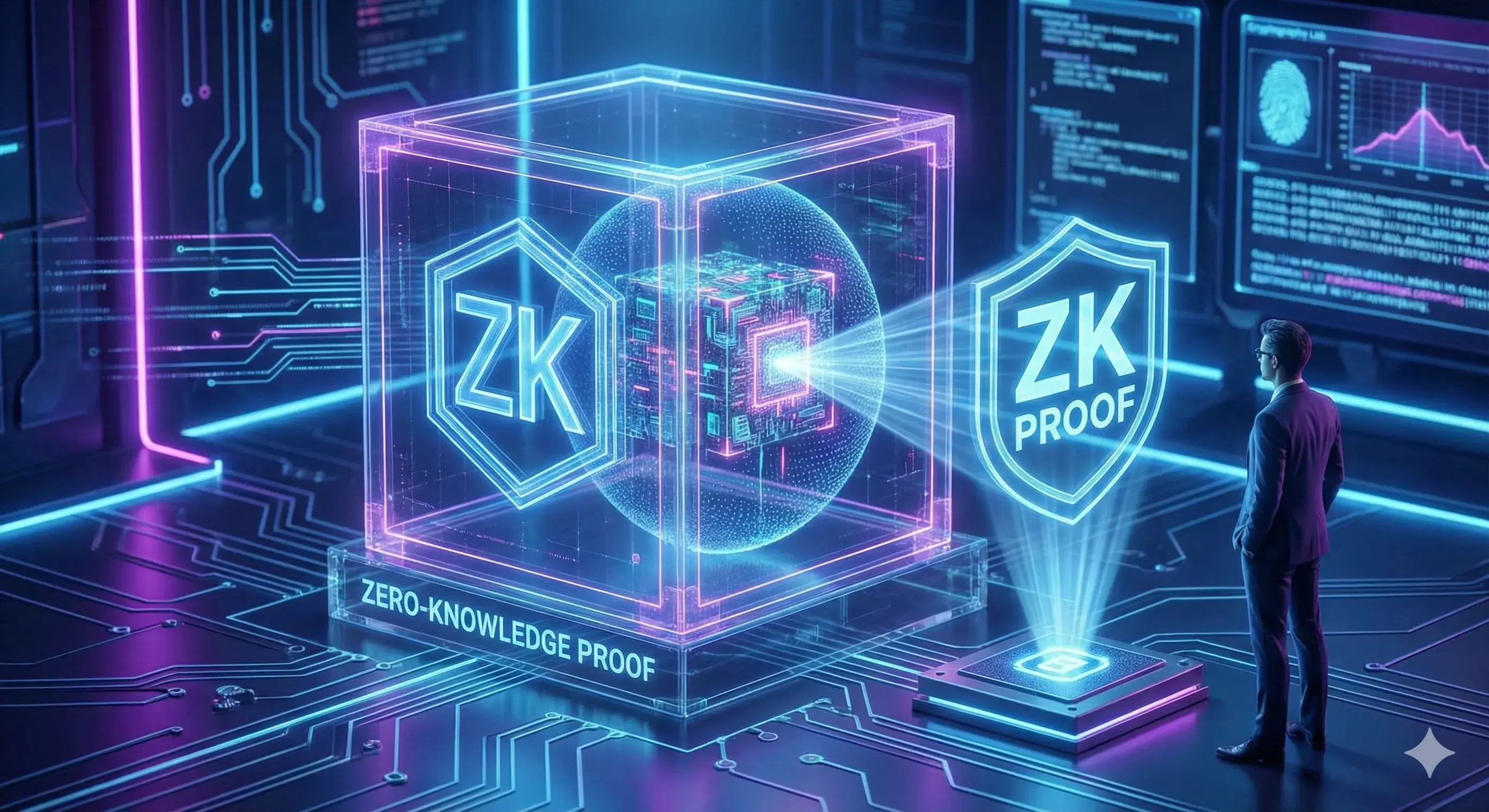
Privacy-preserving
Prove a score or constraint without exposing raw analytics.
Verifiable
ZK proofs turn claims into on-chain truth that bots can trust.
Composable
Apps can reuse reputation signals across marketplaces and explorers.
Why ZK matters for Web3 SEO
Search visibility in Web3 is not just about pages — it is about verifiable reputation. Users, marketplaces, and AI agents want signals they can trust: contract verification, security posture, performance, and ecosystem credibility. The problem: many of the best signals are either sensitive (private analytics) or easy to game (self-reported metrics).
Zero-knowledge proofs solve this by allowing a project to prove statements like: “our score is above 80”, “our metadata meets WSEP requirements”, or “this report hash corresponds to a valid evaluation” without revealing the entire report or internal data.
What is “ZK SEO”?
ZK SEO is a practical term for applying ZK proofs to discovery and reputation. It lets projects publish verifiable claims that are easy for explorers, indexers, and AI systems to consume. In practice, ZK SEO becomes a new layer of technical visibility: cryptographic evidence instead of marketing promises.
How WSEO uses proofs: IPFS + on-chain anchoring + ZK verification
- Compute the analysis: WSEO produces a score and a report hash.
- Publish optional evidence: store the report on IPFS (public proof).
- Anchor the report hash on-chain: makes the score immutable and machine-verifiable.
- ZK-ready verification: allow a dedicated verifier contract to validate proofs and selectors without changing state history.
This makes WSEO friendly to modern discovery workflows where AI agents need to assess credibility quickly. For the broader protocol context, read the WSEO Proposals (WSEP).
What AI agents look for (and how to satisfy them)
AI systems indexing Web3 projects tend to reward clarity and verification. The fastest path to higher confidence is:
- Semantic identity: Open Graph + consistent naming across ENS/DNS and social profiles.
- Verifiable contracts: verified source code and transparent access control.
- Performance basics: predictable load times and stable RPC providers.
- Proof packaging: IPFS reports + on-chain hashes + (optionally) ZK proofs for private attestations.
Actionable checklist: launch a ZK-ready reputation footprint
- Run a WSEO analysis for your domain or contract.
- Upload the report to IPFS for durable evidence.
- Register the report hash on Polygon for immutable verification.
- Mint an SBT certificate for high scores.
- Keep scores fresh: re-run after releases and major changes.
FAQ
Do ZK proofs replace public audits?
No. ZK proofs complement audits by proving properties and constraints. For example, a proof can show compliance with a policy without exposing internal implementation details.
Do I need ZK to benefit from WSEO today?
Not necessarily. IPFS + on-chain anchoring already creates a verifiable footprint. ZK becomes valuable when you want to keep parts of the evidence private but still prove trust.
Where do standards fit in?
Standards make signals portable. WSEP defines what “good” looks like across identity, performance, security, ecosystem, and tech. That consistency helps both humans and machines interpret scores.
Next steps
If you want a practical starting point, visit WSEO and analyze a project. Then explore reputation topology in the Galaxy Graph.
ZK is not a buzzword here — it is a path to verifiable visibility that scales with the next generation of search and AI discovery.